
What We Do
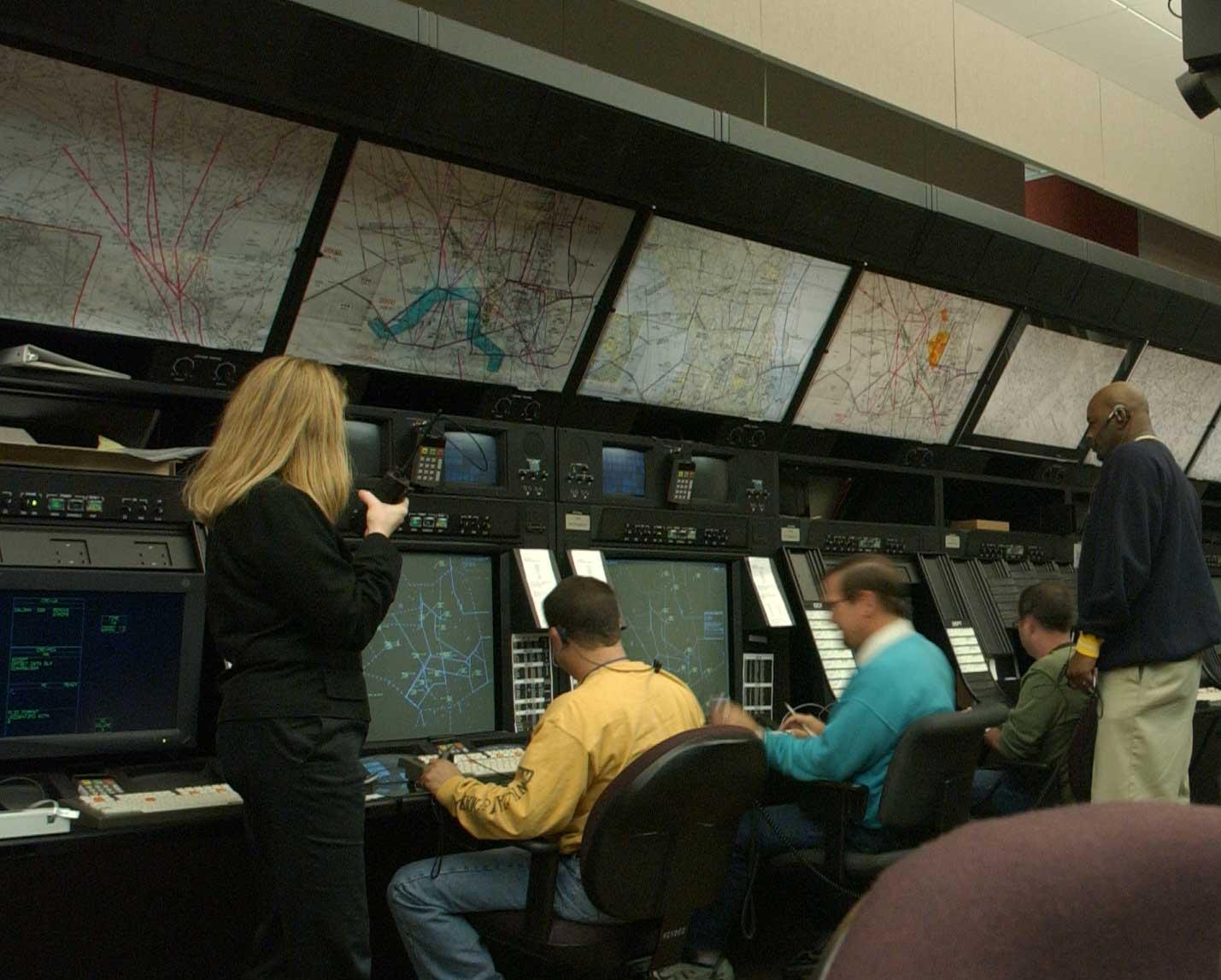
Washington Air Route Traffic Control Center
Since 1995, EIT has supported the acquisition, test, and deployment of communication, navigation, surveillance, and air traffic management systems. The same programs include systems engineering, research, simulation, testing, and human factors evaluation.
Competencies
The work
Program management
EIT plans and oversees large federal programs for the Department of Transportation, the Department of Homeland Security, the Department of Defense, and NASA. That includes cost, schedule, and the engineering work under the contract.
Air traffic and airspace
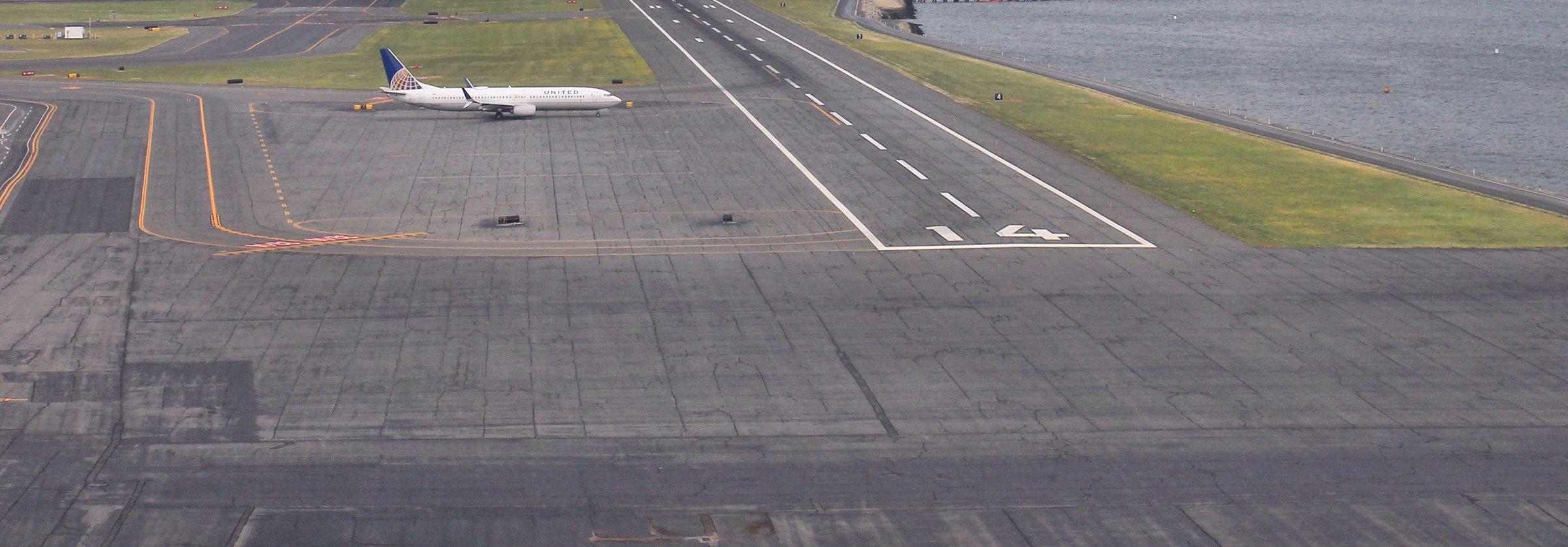
The aviation work covers air traffic control and air traffic management systems, surveillance and communications, airspace design, and the procedures and infrastructure around them.
Aviation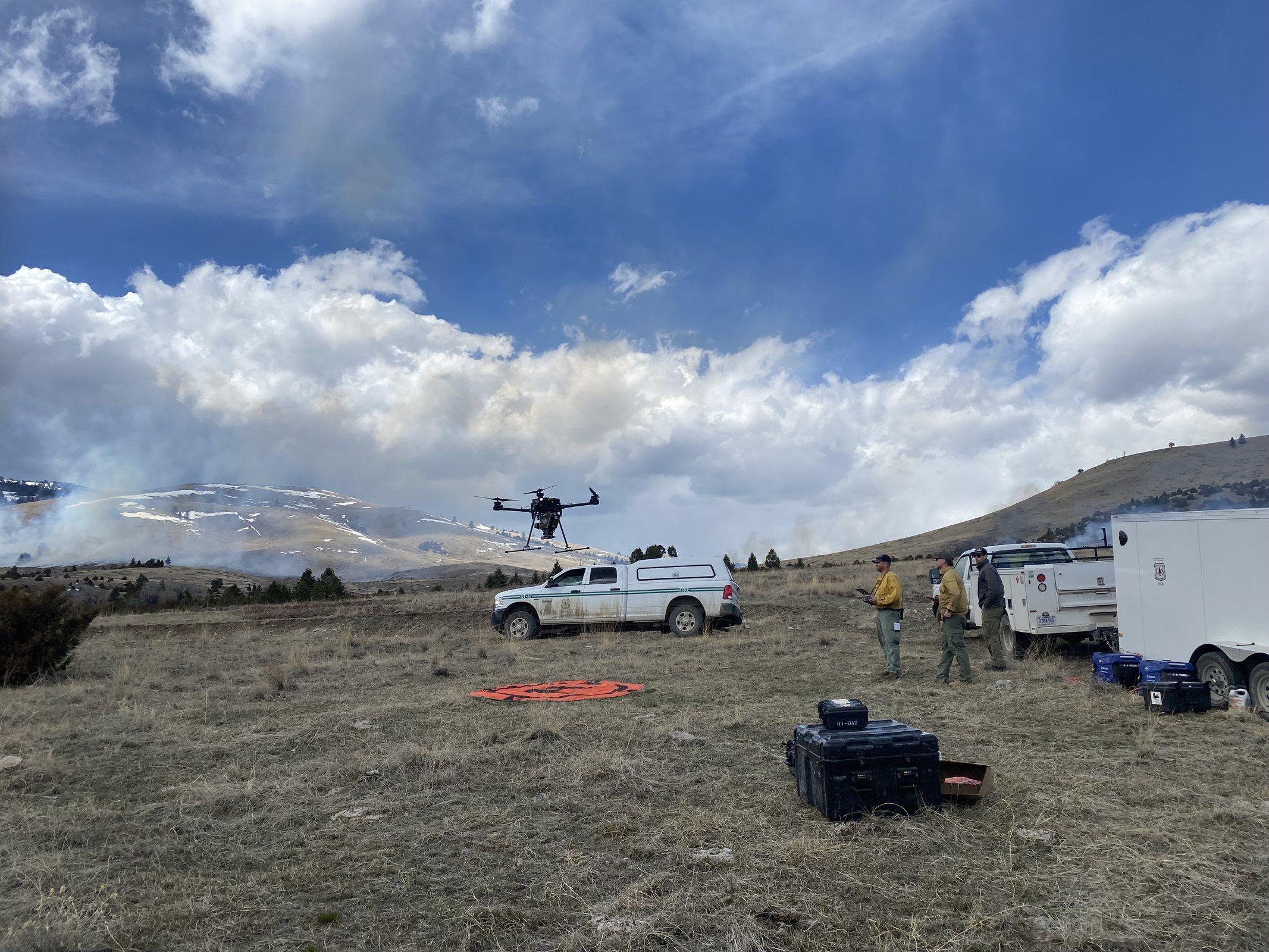
Advanced air mobility and unmanned aircraft
Advanced air mobility work covers eVTOL aircraft, rotorcraft, unmanned aircraft, and the traffic management and navigation those aircraft need. It also covers the ground infrastructure and the airspace they operate in.
Advanced air mobilityFlight test and simulation
Flight test work covers planning, flying, data collection, and analysis. Simulation work covers target-generation, cockpit, and virtual-reality environments used to evaluate aviation systems before and during a program.
Systems, software, and human factors
Systems and software work runs from requirements and design through development, integration, test, and maintenance, including real-time and web applications. Human factors work covers the analysis and the human-machine interfaces on those systems.
Facilities, logistics, and environment
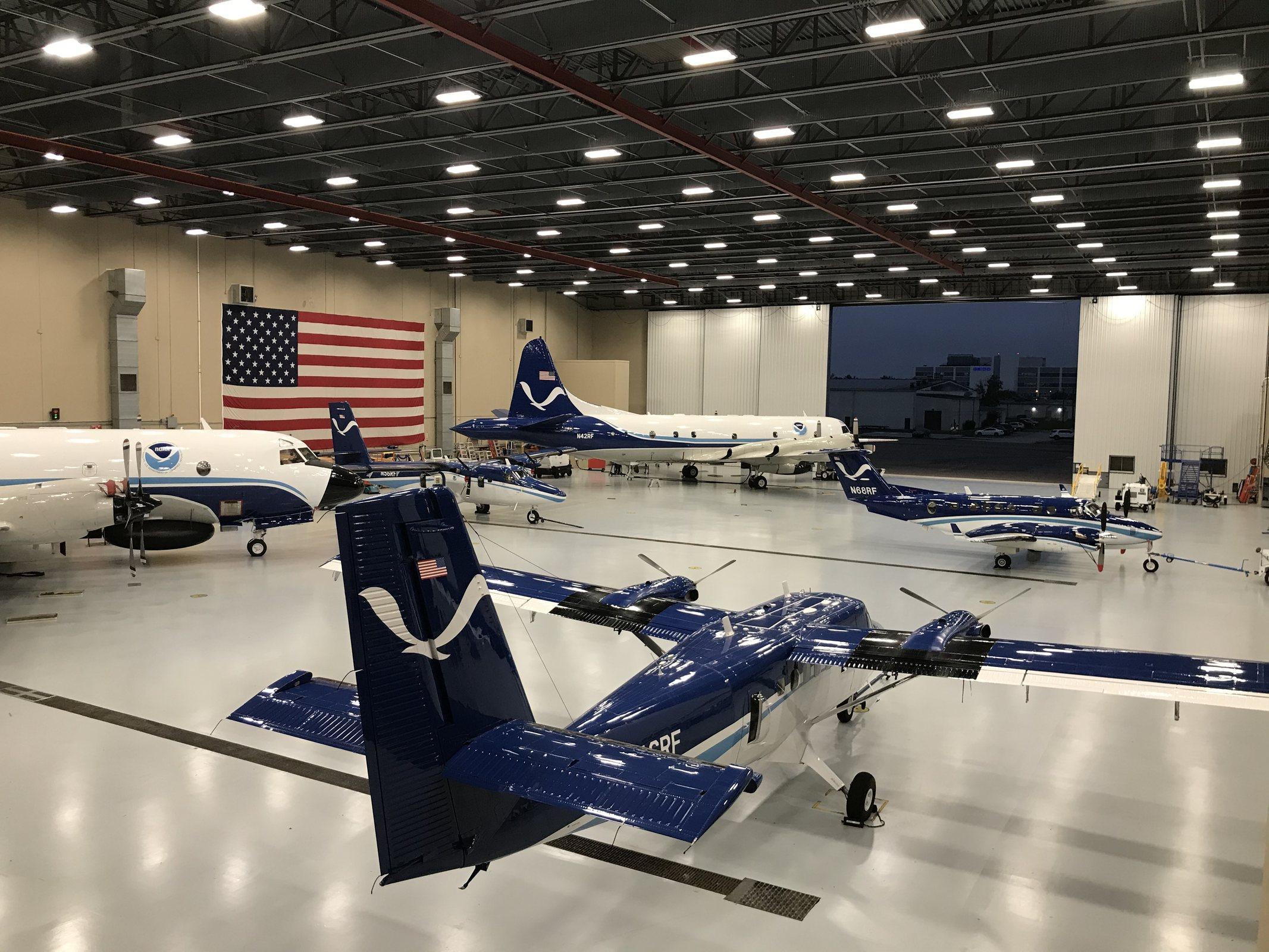
Facilities and logistics work covers operations, maintenance, and the support that keeps a program in the field. Environmental work covers compliance and impact assessment on those programs.
Operations